
What Is NASH? Understanding the Liver Condition
September 28, 2026•1,519 words
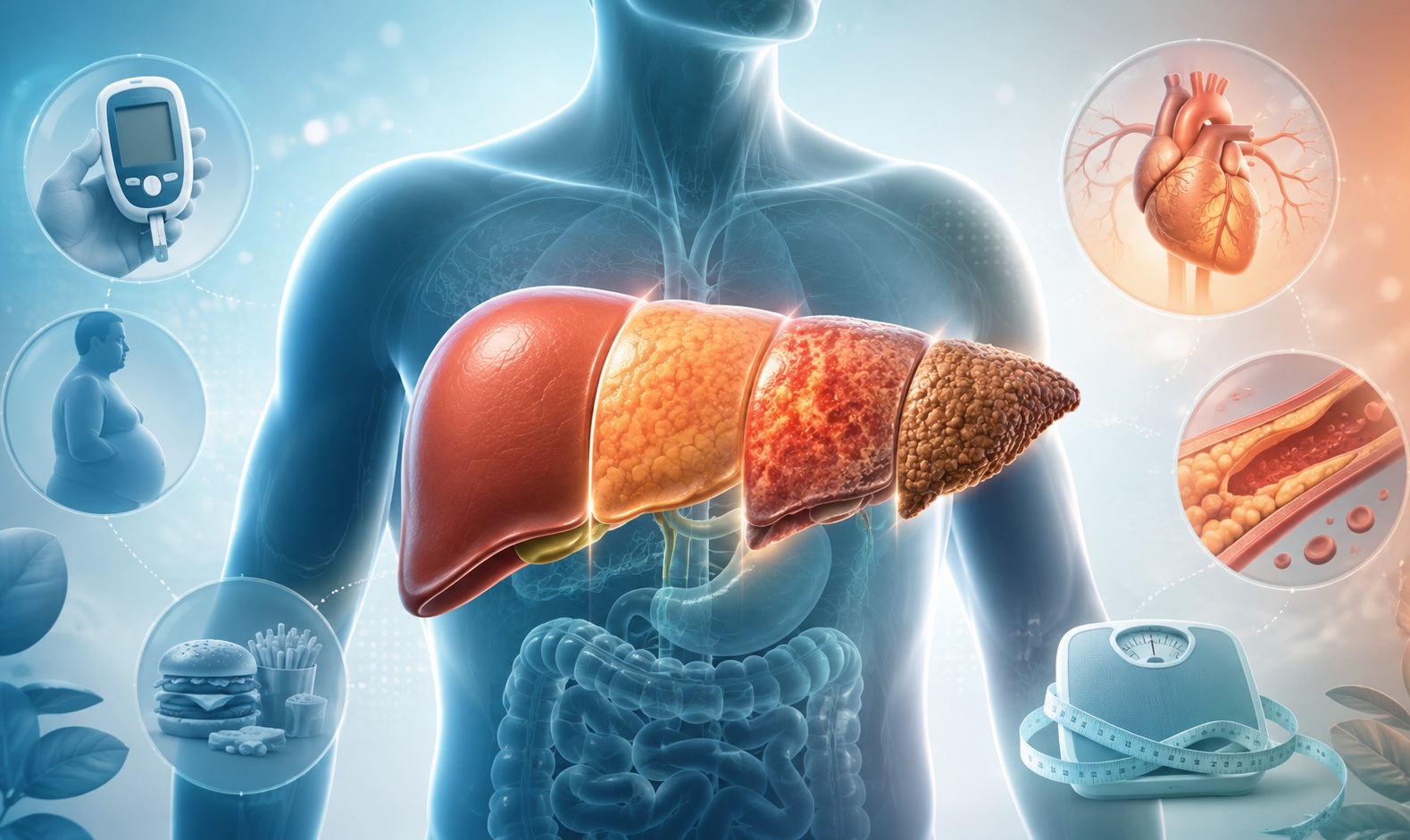
Summary: NASH, or nonalcoholic steatohepatitis, is a form of fatty liver disease in which excess fat in the liver occurs along with inflammation and liver-cell damage. It is now commonly referred to as MASH (metabolic dysfunction-associated steatohepatitis) under updated medical terminology. NASH is often associated with metabolic conditions such as insulin resistance, type 2 diabetes, obesity, high cholesterol, and high blood pressure. It may cause few or no symptoms; it can go unnoticed for years. Medical evaluation may include blood tests, imaging, fibrosis assessments, and, in selected cases, a liver biopsy. Managing metabolic health, maintaining a healthy lifestyle, and receiving appropriate medical care can help reduce the risk of disease progression and liver complications.
If you have come across the term NASH on a medical report or while researching liver health, you may wonder what is NASH in medical terms. NASH stands for nonalcoholic steatohepatitis, a condition in which fat builds up in the liver along with inflammation and damage to liver cells.
NASH is different from having simple fatty liver. While some people with fatty liver may not develop significant liver problems, NASH can cause ongoing inflammation that may lead to scarring of the liver over time.
The terminology has also changed in recent years. NASH is now commonly referred to as MASH, or metabolic dysfunction-associated steatohepatitis, as part of updated terminology for fatty liver disease. Understanding the condition, its risk factors, and how it can affect the liver can help people make informed decisions about their health.
What Is NASH in Medical Terms?
What is NASH in medical terms? In medical terms, NASH refers to nonalcoholic steatohepatitis. The name describes several features of the condition.
- Nonalcoholic means the liver inflammation is not primarily caused by excessive alcohol consumption.
- Steato refers to fat accumulation in the liver.
- Hepatitis means inflammation of the liver.
NASH occurs when excess fat in the liver is accompanied by inflammation and liver-cell injury. It is associated with metabolic health and is part of a broader group of conditions now called metabolic dysfunction-associated steatotic liver disease, or MASLD.
NASH is now generally called MASH under this newer classification system. However, the term NASH remains widely used in medical literature and everyday health discussions.
What Causes NASH?
There is no single cause of NASH. The condition is strongly associated with metabolic factors that affect how the body processes and stores fat and glucose.
Some factors associated with an increased risk include:
- Insulin resistance
- Type 2 diabetes
- Overweight or obesity
- High cholesterol or triglyceride levels
- High blood pressure
- Metabolic syndrome
- A sedentary lifestyle
- Certain genetic factors
Having one of these risk factors does not necessarily mean a person will develop NASH. The condition can occur in people with different body types and health backgrounds, which is why proper medical evaluation is important.
What Are the Symptoms of NASH?
One of the challenges with NASH is that it may not cause noticeable symptoms, especially during its early stages. A person may have liver inflammation without realizing anything is wrong.
When symptoms do occur, they may include:
- Persistent tiredness
- General weakness
- Discomfort in the upper-right area of the abdomen
- A general feeling of being unwell
These symptoms are not specific to NASH. Fatigue and abdominal discomfort can occur with many other conditions, so they cannot be used on their own to diagnose liver disease.
NASH may instead be discovered when routine blood tests show elevated liver enzymes or when imaging performed for another reason reveals fat in the liver.
What Is the Difference Between Fatty Liver and NASH?

Not everyone with fatty liver develops NASH, and not everyone with NASH develops advanced liver disease. The course can vary considerably between individuals.
Can NASH Cause Liver Damage?
Yes. Ongoing inflammation associated with NASH can contribute to the development of fibrosis, which is scarring of liver tissue.
In some people, fibrosis can become more advanced over time. Severe scarring may eventually lead to cirrhosis, a condition in which normal liver tissue is extensively replaced by scar tissue.
The progression is not the same for everyone. Some people may have relatively stable disease, while others can develop more significant fibrosis and complications. Factors such as metabolic health, genetics, the degree of liver inflammation, and other medical conditions can influence the course of disease.
This is one reason healthcare professionals may assess not only whether liver fat is present but also whether there is evidence of liver fibrosis.
How Is NASH Diagnosed?
There is no single test that can identify every case of NASH. Doctors generally consider a person's medical history, risk factors, laboratory results, and liver tests together.
Evaluation may include:
Blood Tests
Blood tests can measure liver enzymes and other markers that may provide information about liver health. However, normal liver enzymes do not always rule out significant liver disease.
Imaging
Ultrasound and other forms of liver imaging may detect fat in the liver. More specialized tests can sometimes help assess liver stiffness or estimate the likelihood of fibrosis.
Fibrosis Assessment
Noninvasive tests may be used to determine whether a person is at increased risk of liver scarring. These tests can help identify people who may need additional evaluation.
Liver Biopsy
A liver biopsy involves examining a small sample of liver tissue under a microscope. It is not required for every person with suspected fatty liver disease, but it may be considered in selected cases when doctors need more detailed information about inflammation, liver-cell injury, or fibrosis.
How Is NASH Treated?
Treatment depends on the person's overall health, the extent of liver disease, and associated metabolic conditions.
For many people, improving metabolic health is an important part of managing the condition.
This may involve:
- Working toward a healthy weight when appropriate
- Regular physical activity
- Eating a balanced diet
- Managing blood sugar
- Controlling cholesterol and triglyceride levels
- Managing blood pressure
- Avoiding excessive alcohol consumption
- Taking prescribed medications as directed
There is no single treatment plan that works for everyone. People with more advanced liver disease may require specialist care and ongoing monitoring.
Because NASH is closely connected with metabolic health, managing conditions such as diabetes and high cholesterol can be an important part of protecting the liver.
Can NASH Be Prevented?
There is no guaranteed way to prevent every case of NASH. However, maintaining good metabolic health may help reduce the risk of developing fatty liver disease and its progression.
Regular physical activity, a balanced eating pattern, maintaining a healthy weight, and managing conditions such as diabetes and high cholesterol can all contribute to better overall metabolic and liver health.
People who already have fatty liver may also benefit from medical monitoring to determine whether inflammation or fibrosis is developing.
When Should You Talk to a Doctor About NASH?
Consider speaking with a healthcare professional if you have been told that you have fatty liver, have persistently abnormal liver tests, or have metabolic conditions that increase your risk of liver disease.
It is also worth discussing unexplained or persistent symptoms such as fatigue or abdominal discomfort with a doctor rather than assuming they are related to NASH.
Early evaluation can help determine whether there is liver inflammation or fibrosis and whether additional monitoring or treatment is appropriate.
Conclusion
NASH stands for nonalcoholic steatohepatitis and describes a form of fatty liver disease involving liver fat, inflammation, and liver-cell injury. The condition is strongly associated with metabolic factors such as insulin resistance, type 2 diabetes, abnormal cholesterol levels, and obesity.
NASH is now commonly referred to as MASH (metabolic dysfunction-associated steatohepatitis) under updated medical terminology. Many people have few or no symptoms, so liver disease may be discovered through routine testing or imaging.
Although not everyone with NASH develops serious liver disease, ongoing inflammation can contribute to fibrosis and, in some cases, cirrhosis. Proper evaluation and management of liver and metabolic health can help guide the next steps.
Bioxytran, Inc. is engaged in research focused on carbohydrate-based therapeutic approaches and their potential applications in human disease. Proper evaluation and management of liver and metabolic health remain important for understanding individual risks and treatment options.
FAQs
1. What is NASH in medical terms?
NASH stands for nonalcoholic steatohepatitis. It involves fat buildup in the liver along with inflammation and liver-cell damage.
2. What is NASH called now?
NASH is now commonly referred to as MASH, which stands for metabolic dysfunction-associated steatohepatitis.
3. What are the common symptoms of NASH?
NASH may cause no noticeable symptoms. When symptoms occur, they can include fatigue, weakness, or discomfort in the upper-right abdomen.
4. What causes NASH?
NASH is commonly associated with metabolic factors such as insulin resistance, type 2 diabetes, obesity, high cholesterol, and high blood pressure.
5. Can NASH cause permanent liver damage?
NASH can cause liver inflammation and scarring (fibrosis). In some people, advanced fibrosis can progress to cirrhosis and other serious liver complications.