
Types of Cataracts in Humans: How Are They Different?
October 6, 2026•843 words
Summary:
- Cataracts are classified in several ways based on their cause and location.
- Age-related cataracts are the most common.
- Traumatic, radiation, pediatric, and secondary cataracts can develop for different reasons.
- Cataracts may affect one or both eyes.
- Understanding the type can help explain why a cataract developed and how it may affect vision.
Not every cataract develops for the same reason. Although aging is the most common factor, cataracts can also result from injury, radiation, childhood conditions, genetics, or changes following eye surgery.
Understanding the different types of cataracts in humans helps explain why lens clouding can occur at different stages of life and under different circumstances.
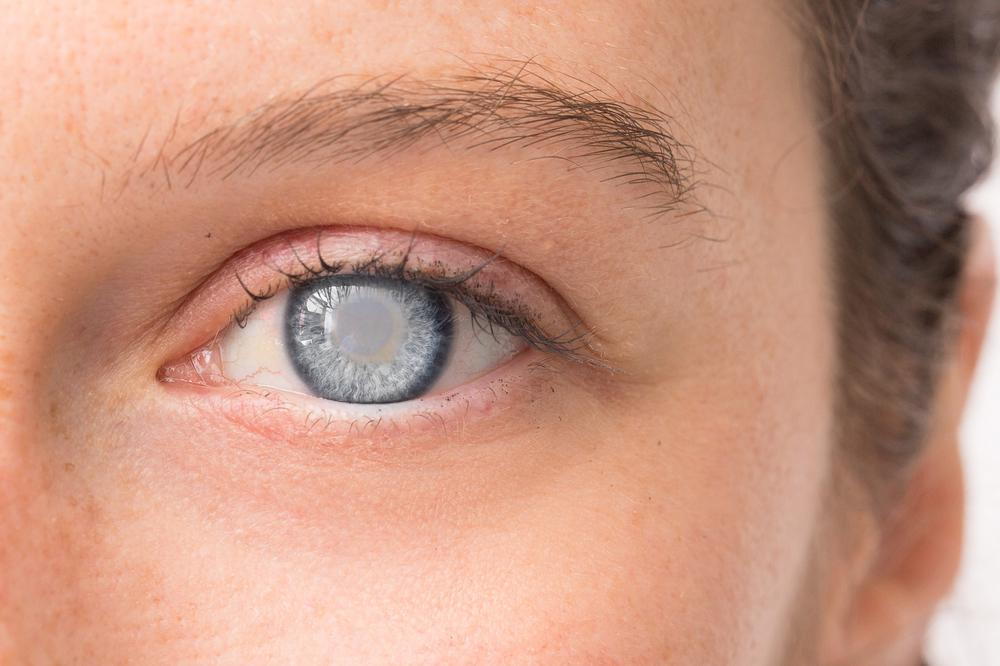
A cataract is a cloudy area in the lens of the eye. As the lens becomes less transparent, it can interfere with the passage and focusing of light, resulting in blurry or hazy vision.
1. Age-Related Cataracts
Age-related cataracts are the most common type.
As the eye ages, proteins within the lens can gradually change and clump together. The lens may become increasingly cloudy, and vision can become blurry or less colorful.
Risk factors can include smoking, diabetes, family history, certain medications, previous eye surgery, and prolonged exposure to sunlight.
2. Traumatic Cataracts
A traumatic cataract develops following an injury to the eye.
The injury may directly damage the lens or cause changes that eventually lead to clouding. One important feature of traumatic cataracts is that they do not necessarily appear immediately.
A cataract may develop soon after an injury or years later.
That is why a history of significant eye trauma can remain relevant when an eye care professional evaluates a cataract.
3. Radiation Cataracts
Radiation can also contribute to cataract formation.
This category can include cataracts associated with certain types of radiation treatment. Ultraviolet radiation from sunlight is also recognized as a factor associated with cataract risk.
Protective eyewear and sensible protection from excessive sunlight can help reduce exposure to damaging UV radiation.
4. Pediatric Cataracts
Cataracts are not limited to older adults. Children can also develop cataracts.
Some pediatric cataracts are present at birth and are known as congenital cataracts. Others develop later during childhood.
Genetic factors can play a role, but pediatric cataracts can also be associated with serious eye conditions, injuries, radiation, certain medications, or illnesses.
Because a child's visual system is still developing, cataracts that significantly interfere with vision may require prompt evaluation and treatment.
5. Secondary Cataracts
The term "secondary cataract" can be confusing because it does not mean that the original natural lens has simply developed another cataract.
After cataract surgery, some people develop clouding of the posterior capsule, the membrane behind the artificial lens. This condition is commonly called a secondary cataract or posterior capsule opacification.
It can cause vision to become cloudy again after cataract surgery and can be treated with a YAG laser procedure.
Can Cataracts Affect One Eye or Both?
Yes. Cataracts can develop in one eye or both eyes.
Importantly, cataracts do not spread from one eye to the other like an infection. Each eye develops its own lens changes.
The severity can also differ between the two eyes.
Why Does Cataract Type Matter?
Knowing the type of cataract can provide useful information about possible causes and progression.
For example, an older adult with gradually changing vision may have an age-related cataract, while a person with a history of significant eye trauma may develop a traumatic cataract.
In children, identifying the underlying cause can be particularly important because some pediatric cataracts may be associated with genetic or systemic conditions.
The Role of Cataract Research
Classifying cataracts is only part of understanding them. Researchers are also studying the molecular mechanisms that cause lens proteins to become damaged, aggregate, or otherwise lose their normal transparency.
The National Foundation for Eye Research supports lens and cataract research and works toward the long-term goal of developing nonsurgical treatments for cataracts.
Conclusion
The types of cataracts in humans vary according to their causes and circumstances. Age-related cataracts are the most common, but traumatic, radiation-related, pediatric, and secondary cataracts demonstrate how different factors can affect the eye's lens.
Understanding these differences also highlights why continued cataract research matters. Through its support for lens and cataract research, the National Foundation for Eye Research contributes to the scientific effort to better understand cataract formation and advance potential nonsurgical approaches to treatment.
FAQs
1. What is the most common type of cataract?
Age-related cataracts are the most common type.
2. Can children have cataracts?
Yes. Children can be born with cataracts or develop them during childhood.
3. Can an injury cause cataracts?
Yes. Significant eye trauma can cause a traumatic cataract.
4. What is a secondary cataract?
A secondary cataract usually refers to posterior capsule opacification that can occur after cataract surgery.
5. Can you have cataracts in both eyes?
Yes. Cataracts can affect both eyes, although their severity and progression may differ.