
Best Smart Locks: How to Choose the Right Smart Lock for Your Home
October 29, 2026•1,564 words
Summary:
- The best smart locks combine suitable physical security with convenient access features.
- Keyless entry, remote access, temporary codes, and activity notifications can improve everyday access management.
- Smart lock compatibility depends on the door, cylinder, and existing locking mechanism.
- Electronic security, battery backup, software support, and emergency entry options are important considerations.
- Professional installation can help ensure the lock operates correctly without compromising the door's security.
Home security is changing as more homeowners look for convenient ways to protect their properties. Traditional locks remain reliable, but smart locks offer additional features such as keyless entry, remote access, temporary access codes, and integration with home automation systems.
Choosing among the best smart locks depends on more than the number of features a device offers. Homeowners need to consider the type of door they have, the level of security required, how the lock operates, and whether it is compatible with their existing hardware.
For London homeowners, where properties range from modern apartments to Victorian terraces and period houses, selecting the right smart lock requires particular attention to door construction and lock compatibility.
What Is a Smart Lock?
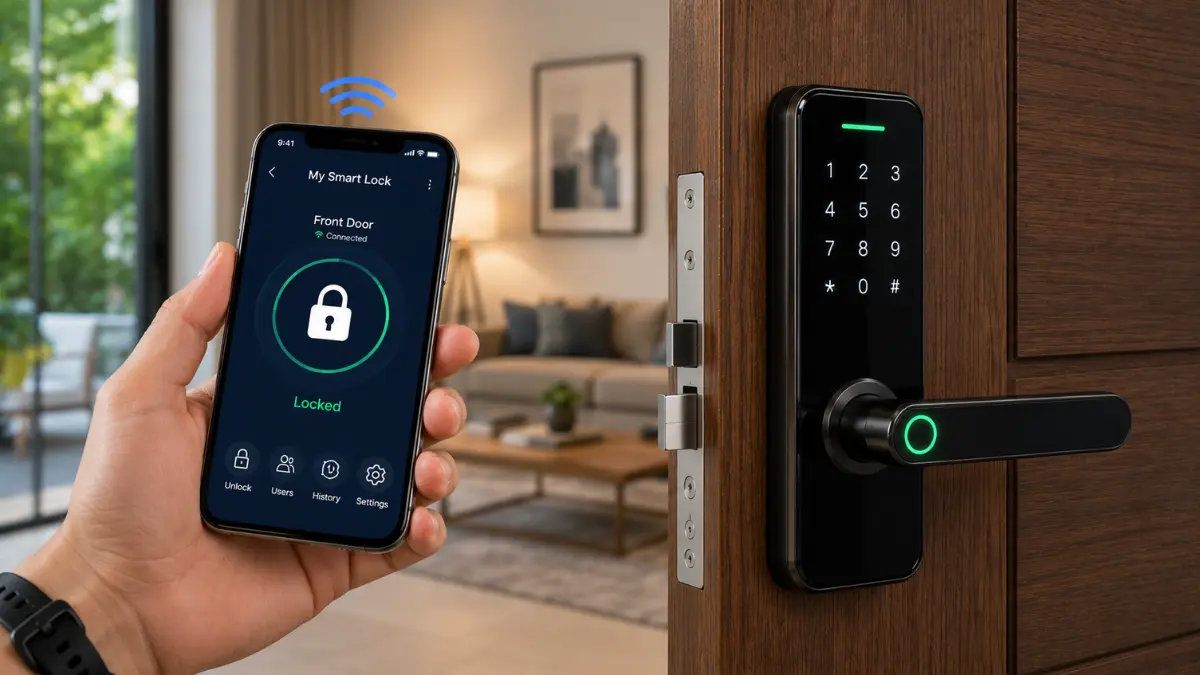
A smart lock is an electronic locking device that allows users to lock or unlock a door using methods other than, or alongside, a conventional key. Depending on the model, these methods may include a smartphone app, keypad, fingerprint reader, access card, or connected home automation system.
Some smart locks replace the existing locking mechanism, while others attach to an existing lock and operate it electronically.
Smart locks can offer practical advantages for households that regularly manage access for family members, cleaners, contractors, or other visitors. However, their security depends on the quality of the physical lock, installation, electronic safeguards, and how the device is configured and maintained.
What Features Should You Look for in the Best Smart Locks?
Not every smart lock offers the same functionality. Before buying one, compare the features that matter most to your household.
1. Keyless Entry
Keyless entry allows users to unlock a door without carrying a traditional key. Depending on the model, access may be provided through a PIN code, fingerprint, smartphone, or access card.
This can be useful for households where multiple people need access. However, users should choose secure authentication methods and avoid easily guessed PINs.
2. Remote Access
Some connected smart locks allow users to manage access remotely through an app. This may include locking the door, checking its status, or issuing temporary access permissions.
Remote access often depends on a compatible Wi-Fi bridge, hub, or built-in connectivity. Check what equipment is required before purchasing the lock.
3. Temporary Access Codes
Temporary codes can be useful when giving access to guests, tradespeople, or cleaners. Some models allow codes to be limited by time or revoked after use.
This can reduce the need to distribute physical keys, although access permissions should be reviewed regularly.
4. Activity Notifications
Certain smart locks maintain an activity log or send notifications when someone locks or unlocks the door.
These features can help homeowners monitor access, but notifications should not be treated as proof that a property is secure. The door, frame, and other entry points still need appropriate protection.
5. Battery and Emergency Access
Most battery-powered smart locks require periodic battery replacement or charging. Look for low-battery warnings and understand what happens if the batteries run out.
Some models provide emergency power options or retain a conventional key cylinder. Others use different backup arrangements.
Before buying, check how you can enter the property if the battery fails, the phone is unavailable, or the connectivity system stops working.
Types of Smart Locks to Consider
Different smart lock designs suit different properties and lifestyles.
Keypad Smart Locks
Keypad locks use a numerical code to provide access. They can be suitable for households that want keyless entry without relying entirely on a smartphone.
The main consideration is code management. Use unique codes where possible, avoid obvious combinations, and remove access codes that are no longer required.
Smartphone-Controlled Locks
These locks connect to a smartphone app, usually through Bluetooth, Wi-Fi, or a compatible smart home hub.
They may offer remote locking, digital keys, activity records, and user management. Buyers should review app security, connectivity requirements, and the manufacturer's support arrangements.
Biometric Smart Locks
Biometric models commonly use fingerprint recognition to authorize entry. They can offer convenient access without requiring a PIN or physical key.
Performance may vary depending on the sensor, environmental conditions, and the user's finger condition. Consider whether the lock also provides an alternative entry method.
Retrofit Smart Locks
Retrofit devices are designed to operate an existing lock from inside the property. Depending on the product, they may preserve the external appearance of the door and retain the use of a physical key.
Compatibility is critical. Not every retrofit device works with every cylinder, thumb-turn, or multipoint locking mechanism.
Are Smart Locks More Secure Than Traditional Locks?
Smart locks can improve access management, but they are not automatically more secure than traditional locks.
A well-designed smart lock may provide secure authentication, access logs, and the ability to revoke digital credentials. However, it can also introduce risks involving weak passwords, insecure account access, outdated software, or poorly configured connectivity.
Traditional mechanical locks avoid some electronic vulnerabilities but still depend on the quality of the cylinder, lock mechanism, door, and frame.
The best choice depends on the property and the homeowner's requirements. Look for reputable manufacturers, clear security documentation, appropriate testing or certification, and regular software support.
For UK homes, it is worth checking whether the lock and associated hardware are suitable for the door and whether relevant standards or certifications apply to the particular product. Insurance requirements should also be reviewed before changing a property's locking system.
Choosing a Smart Lock for a London Property
London properties can have very different door and security requirements. A modern apartment may have a different locking arrangement from a period terrace or a converted flat.
Before choosing a smart lock, consider the following:
- Door type: Determine whether the door is timber, composite, uPVC, or another material.
- Existing mechanism: Check whether the door uses a mortice lock, euro cylinder, multipoint mechanism, or another system.
- Compatibility: Confirm that the smart lock is designed to work with the existing hardware or can be professionally fitted.
- Building rules: Flats and leasehold properties may have restrictions on changes to shared or external doors.
- Insurance requirements: Check whether the proposed lock meets any requirements specified by your insurer.
- Emergency access: Understand how you can regain entry if the electronics fail.
Professional advice can help prevent compatibility problems and ensure the installation does not compromise the door's existing security.
Smart Lock Installation and Maintenance
Even a high-quality smart lock may perform poorly if it is incorrectly installed. Misalignment, unsuitable hardware, or a door that does not close properly can affect the locking mechanism.
After installation, test the lock several times with the door open and closed. Confirm that the deadbolt or locking points engage correctly, and make sure the door does not require excessive force to lock.
Keep the device's firmware updated where supported, use strong account credentials, and replace batteries according to the manufacturer's guidance. Review access permissions periodically, particularly after visitors or contractors no longer need entry.
If a smart lock becomes unreliable, avoid forcing the mechanism. A qualified locksmith can inspect the installation, identify mechanical problems, and advise whether adjustment, repair, or replacement is appropriate.
Conclusion
The best smart locks are those that balance convenience, reliable physical security, and compatibility with the property. Features such as keyless entry and remote access can make daily life easier, but they should complement rather than replace good door security and sensible access management.
Before upgrading, homeowners should check the existing lock, door condition, installation requirements, and emergency access options. For help choosing or fitting a suitable locking system, 24/7 London Locksmith can assist London homeowners with locksmith services and practical advice on securing their properties.
FAQs
1. What are the best smart locks for a home?
The best smart lock depends on the door type, existing locking mechanism, desired access method, and security requirements. Compare compatibility, manufacturer support, backup entry options, and relevant security credentials before choosing a model.
2. Can a smart lock be fitted to an existing door?
Some smart locks are designed to retrofit existing mechanisms, while others require replacement of part or all of the locking hardware. Compatibility should be confirmed before purchasing.
3. Can smart locks work without Wi-Fi?
Yes. Some models use Bluetooth, a keypad, a fingerprint reader, or local electronic controls without requiring Wi-Fi for basic entry. Remote access and certain connected features may require additional connectivity.
4. What happens if a smart lock's battery runs out?
The response depends on the model. Some locks provide low-battery alerts, emergency power connections, or a conventional key backup. Check the manufacturer's instructions before installation.
5. Should a locksmith install a smart lock?
Professional installation is useful when the door has a complex locking mechanism, the lock requires hardware modifications, or compatibility is uncertain. A locksmith can assess the door and help ensure the mechanism works correctly.