
Why Wheel Alignment Is Essential For Heavy Vehicles
August 11, 2026•1,514 words
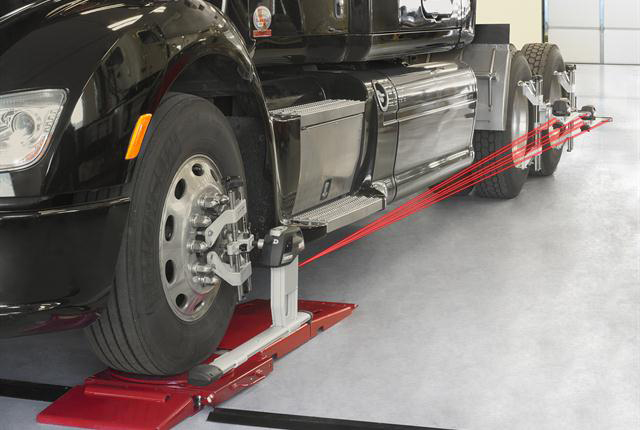
While commuting, drivers often experience performance issues with commercial heavy vehicles. Vehicles transporting freight are always on the road and constantly exposed to rough road conditions. All of that makes regular wheel alignment essential for heavy vehicles.
If a wheel alignment for heavy vehicles is neglected, tires wear down faster, fuel efficiency drops, steering suffers, and costs go up.
For fleet managers, tire longevity directly correlates to significant expense in the yearly budget. Multiple trucks with diminished tire longevity reflect an even more severe impact.
Alignment affects the total fleet expense and determines the lifespan of a truck's critical components. It is important to prioritize wheel alignment.
According to the American Trucking Associations, trucks transport nearly 73 percent of the nation's freight by weight, making regular vehicle maintenance a key part of dependable transportation. This blog examines the importance of proper wheel alignment for heavy vehicles.
What Is Wheel Alignment?
Wheel alignment is the unique process of adjusting the wheels to the positions specified by the vehicle manufacturer. All wheels must point in the same direction for proper alignment. When properly aligned, all the wheels make even contact with the road.
Heavy trucks carry much greater loads than passenger vehicles and place more stress on their suspension and steering systems. Because of their heavier operating conditions, proper alignment has an even greater impact on safety, efficiency, and overall performance.
When performing an alignment, professional technicians evaluate a range of important angles. These alignment angles include the following:
- Camber
- Castor
- Toe
- Thrust angle
Each of these angles can affect tire life, steering, vehicle stability, and overall control and balance.
What Causes Heavy Vehicles To Lose Alignment?
Heavy trucks naturally lose alignment over time due to heavy loads and rough road conditions.
The everyday use, combined with tough road conditions and heavy loads, will stress the suspension and steering to the point that the alignment will shift over time.
The causes can include the following:
- Impacting the roadside curb or obstacles
- Driving over damaged road surfaces or potholes
- Hauling overloaded trailers
- Sudden impacts
- Worn suspension and steering parts
If these minor alignment shifts are ignored, they can eventually cause problems with vehicle control that will be easily noticeable.
Signs That Indicate Wheel Alignment Is Needed On Heavy Vehicles
Before a wheel alignment is needed on a heavy vehicle, there are easily noticeable warning signs for the driver. If these signs are identified early, they can save you costly repair bills.
Uneven Tire Wear
The first sign is uneven tire wear. Instead of wearing evenly across the tread, the tires may wear more heavily along one edge. This type of commercial truck tire wear shortens tire life and increases replacement expenses.
Pulling to One Side While Steering
When a truck has wheel misalignment, it will continuously veer right or left on a straight road. As a result, drivers will have to keep adjusting the steering wheel to keep the truck centered in the driving lane.
Off-Center Steering Wheel
A steering wheel that remains crooked while driving straight is another common sign of poor truck steering alignment. Although the truck may continue to operate, the issue generally becomes more noticeable and more expensive to repair if ignored.
Increased Vibration
Misaligned wheels put uneven pressure on both the tires and the vehicle's suspension. This is commonly felt first as steering-wheel vibration while driving at high speeds.
Reduced Fuel Efficiency
A relatively minor alignment issue can significantly increase fuel consumption on long drives. The added friction from an engine working hard to propel the vehicle forward increases fuel consumption.
The Importance Of Heavy Truck Wheel Alignment
Correct heavy truck wheel alignment is essential for several reasons, not just for easier steering. It is vital for the vehicle's safety and the people around it, and it affects the cost of operating the vehicle and how often it needs to be maintained.
Proper alignment of heavy truck wheels can make the truck more fuel-efficient and save money.
Longer Tire Life
One of the highest ongoing costs for fleet owners is truck tires. The benefits of proper computerized wheel alignment include preventing uneven tire wear by evenly distributing weight across the tire surface. This saves money on tires and extends their life.
For companies with large fleets, the ability to keep tires for longer periods with only gradual deterioration provides significant savings over the life of the fleet.
Improved Fuel Economy
Wheel alignment affects a vehicle's rolling resistance. If the tires are aligned, a truck's engine will burn less fuel to overcome the rolling resistance.
Improved fuel economy becomes even more valuable for transportation companies that operate over long distances.
Improved Driver Safety
Accurate steering control is vital for the safe operation of heavy vehicles on various roads. Precise commercial vehicle wheel alignment allows drivers to have better control for more precise lane changes and safe vehicle braking.
It provides a more stable environment for the driver to operate the vehicle, reducing driver fatigue.
Fewer Suspension Failures
Heavy vehicle suspension alignment is performed routinely. Misalignment places additional stress on suspension and steering components, accelerating wear. Since these components are costly, a routine alignment will extend their life.
Improved Stability
Heavy-duty vehicle alignment allows for smooth heavy vehicle handling. The driver is capable of maneuvering the vehicle as required and has greater confidence hauling heavy goods.
Understanding Truck Axle Alignment
Most heavy-duty vehicles have at least two axles. Even a single improperly aligned axle will impact the performance and overall stability of the entire vehicle.
Truck axle alignment ensures that each axle in the vehicle is in the proper position relative to the others, so they work together as intended.
Benefits include:
- Improved tracking on highways
- Better fuel economy
- Less tire scrubbing
- Reduced suspension stress
- More even steering
Following suspension repairs or a collision, axle alignment restores optimal vehicle performance.
Why Fleet Operators Prioritize Alignment
Small, frequent maintenance efforts save money by avoiding large infrequent repair events in commercial fleets.
Regular fleet wheel alignment checks include:
- Increased driver safety
- Substantial decrease in unanticipated downtime
- Reduced tire replacement needs
- Decreased fuel-related costs
- Prolonged vehicle life
- Improved fleet reliability
Preventive alignment maintenance is always more cost-effective than the costs associated with major repairs.
How Often Should Heavy Vehicles Receive Alignment Checks?
There is no universal schedule that works for every truck. When determining inspection intervals, several factors must be considered.
These include:
- Road and weather conditions
- Annual mileage
- Vehicle load
- Driving style
- Suspension design
Maintenance professionals generally agree to conduct wheel alignments:
- When preventive maintenance is performed
- After new suspension or steering components are installed
- After an accident or major impact
- When irregular tire wear occurs
- When a change in driving effort and steering is noted
Routine inspections often catch alignment issues before they become expensive repairs.
Choosing Professional Wheel Alignment Services
Heavy trucks require specialized alignment equipment different from that used on a passenger vehicle. When selecting professional wheel alignment services, it is important that the service provider:
- Uses advanced computerized systems
- Has experience with commercial trucks
- Conducts a complete suspension inspection
- Performs accurate axle measurements
- Provides detailed alignment reports
Experienced technicians also identify worn components that may continue creating alignment problems even after adjustments have been made.
If you search online for wheel alignment near me or alignment shops near me, choose a service provider with proven experience servicing heavy commercial vehicles instead of standard passenger cars.
Maintenance Tips On How To Prolong Wheel Alignment
Though wheel alignment changes over time, it can be maintained for a longer period if the vehicle is used properly.
Some things need to be done with the commercial vehicle:
- Tires should be inflated to the correct pressure and kept at that pressure.
- The vehicle should not be driven with anything over its design weight.
- Scheduled tire rotations must be performed at the specified intervals during heavy-duty tire maintenance.
- Suspension parts should be routinely checked.
- Worn steering components need to be replaced.
- Drive carefully over potholes and rough road surfaces.
- Schedule regular truck wheel alignment service inspections.
These simple maintenance habits can help improve wheel alignment for trucks while reducing long-term maintenance costs.
Achieve Optimal Heavy-Duty Vehicle Performance And Safety With Proper Wheel Alignment Service
Tires and suspension systems last longer on heavy vehicles when wheels are properly aligned, thereby reducing operating costs and improving fuel economy. The safety of heavy vehicles is improved with optimal wheel alignments.
You gain a competitive advantage, whether you own a single truck or an entire truck fleet, by scheduling regular heavy-duty vehicle alignment inspections and including professional maintenance and dependable tire service in your budget.
You can avoid costly repair needs by maintaining proper wheel alignment, monitoring tire wear, and scheduling professional inspections when needed.