
How to Prepare for Your First North Carolina Vehicle Inspection
June 23, 2026•1,130 words
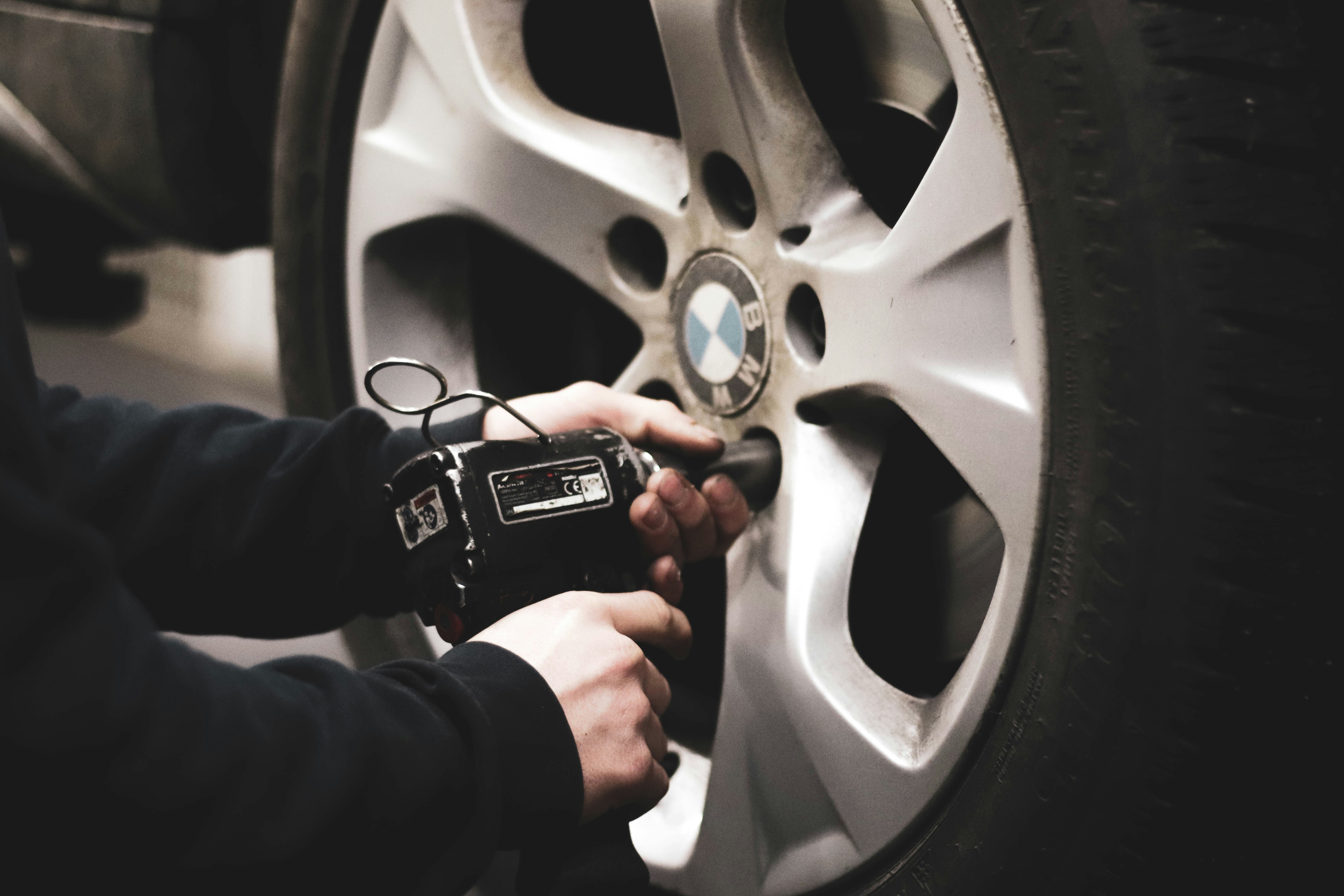
Moving to a new state or registering your first car brings a long to-do list. However, few things cause quite as much unneeded anxiety for drivers as the mandatory NC State Inspection.
For those who are unfamiliar with their state's guidelines, the process may seem unnecessarily complicated. Luckily, North Carolina's guidelines are simple, easy to understand, and thorough. Preparing your car just a bit to get it ready for the service bay makes a big difference.
Understanding the Rules: Safety vs. Emissions
In North Carolina, all registered vehicles must be inspected. The type of inspection that is conducted depends on the age of the vehicle as well as the area that you reside in. The process is categorized into two sections.
The Safety Inspection:
All vehicles registered in North Carolina that are less than 30 years old are subject to an annual safety inspection. This is done to ensure that vehicles are safe and roadworthy for both the driver and the public.
The Emissions Inspection:
In addition to the safety checklist, light-duty gasoline vehicles (model years 1996 and newer) registered in certain highly populated counties must pass an On-Board Diagnostic (OBD) emissions test. This loop checks that your vehicle's factory pollution controls are functioning exactly as intended.
The state has rolled back the emissions testing program across almost all of North Carolina due to massive air quality improvements. Moving forward, Mecklenburg County is the only county maintaining state-mandated emissions checks. If you live in any other county, you only need a standard safety inspection.
Exemption Note: Vehicles that are 30 years or older are entirely exempt from the safety inspection. For the emissions loop, any vehicle older than 20 model years, diesel-powered vehicles, and heavy-duty trucks (over 8,500 lbs.) are exempt from the smog check.
The 5-Minute Driveway Checklist (What to Check Before You Go)
You can easily spot and repair the most common point-of-failure items right in your own driveway before making an appointment.
1. Do a Full Bulb Walkaround (Takes 2 Minutes)
Turn on your hazard lights and headlights. Walk around the vehicle to check your turn signals, high beams, brake lights, and the tiny light bulb illuminating your rear license plate.
2. Examine the Wiper Blades (Look for Tears or Streaks)
Run your fingers along the rubber edge of your windshield wipers. If the material is frayed, torn, or leaves heavy streaks on the glass, swap them out.
Note: As of a recent law change, window tint testing is no longer part of the official NC state inspection checklist, though your tint must still legally be 32% or lighter if tested during a traffic stop.
3. Perform the Inverted Penny Test (Check for = 2/32" Tread Depth)
NC requires tires with a tread depth of greater than or equal to 2/32 of an inch.
It is simple to check tire tread depth using the "Penny Test": place a penny upside down in the tread groove; if the top of Lincoln's head is completely visible, your tread is too low, and the tire will fail.
4. Evaluate Your Steering and Braking (Listen and Feel for Structural Wear)
Pay attention during your drive. If you notice more than 3 inches of loose play in the steering wheel, clunking over bumps, or grinding noises when you press the brakes, these suspension and steering components will fail the technician's lift test.
5. Review the Dashboard Instrument Cluster (Look for Warning Lights)
Start your car and see if your Check Engine light or Service Engine Soon light is on.
If it is, the fault code(s) must be cleared before you can go to an inspection station.
Document Checklist: What Do You Need to Bring?
Because North Carolina uses a fully digital database, the modern inspection process requires minimal paperwork.
When you roll up to the inspection station, you do not need a paper DMV renewal notice or your old out-of-state registration card.
The shop will scan your vehicle's unique Barcoded Identification Number (VIN) to pull up its file.
However, you must provide physical or digital proof of active North Carolina liability insurance to the technician before they can legally begin testing your vehicle.
Transitioning Beyond the Inspection: Staying Ahead of Maintenance
Sometimes, an annual inspection will catch a deeper mechanical problem that you had no idea existed, such as:
- A leaking exhaust pipe
- Worn ball joints
- A sticking brake caliper
If your vehicle happens to fall short on its safety requirements, do not panic.
The state allows you a 60-day window to have the required repairs completed and return to the same station for a free re-inspection.
If you want to keep your ownership experience entirely stress-free, it is smart to familiarize yourself with common car repair issues and how to fix them.
Learning how local driving conditions affect your vehicle components allows you to speak to your mechanic with absolute confidence.
From Prep to Pass: Your Next Steps to Staying Legal in NC
Annual vehicle inspections are an essential safety measure for everyone on North Carolina roads.
To lessen any surprise mechanical failures, you can perform your own car inspection before the state-mandated one.
Don't wait to get your vehicle inspected until your registration is set to renew.
Calm your mind and drive to a certified NC auto repair station to get your inspection paperwork signed and certified.
FAQs - First NC Vehicle Inspection
Question 1: How much does a North Carolina state inspection cost?
Ans: The state has fixed the cost to $13.60 for a safety inspection only and $30 for a combined safety and emissions inspection.
Question 2: How early can I get my vehicle inspected before my registration is due?
Ans: You can have your inspection completed up to 90 days before your current license plate and registration expire.
Question 3: What happens if I recently moved to North Carolina from out of state?
Ans: North Carolina allows new residents to register their out-of-state vehicle initially without an inspection; you will take your first inspection when your local NC registration comes up for renewal next year.
Question 4: What is the grace period if my inspection and registration are expired?
Ans: If your registration is expired, a 15-day grace period is given before you will be ticketed. NCDMV - North Carolina Department of Motor Vehicles will apply a late fee if the inspection is renewed after the expiration, with no grace period.
Question 5: If my vehicle fails the inspection, do I have to pay for it again?
Ans: No, as long as you bring the vehicle back to the exact same inspection station within 60 days, your follow-up re-inspection is completely free.