
Pedestrian Timber Bridge Builder: Designing and Constructing Safe Walkway Bridges for Public and Private Spaces
May 29, 2026•1,058 words
Introduction to Pedestrian Timber Bridge Builders
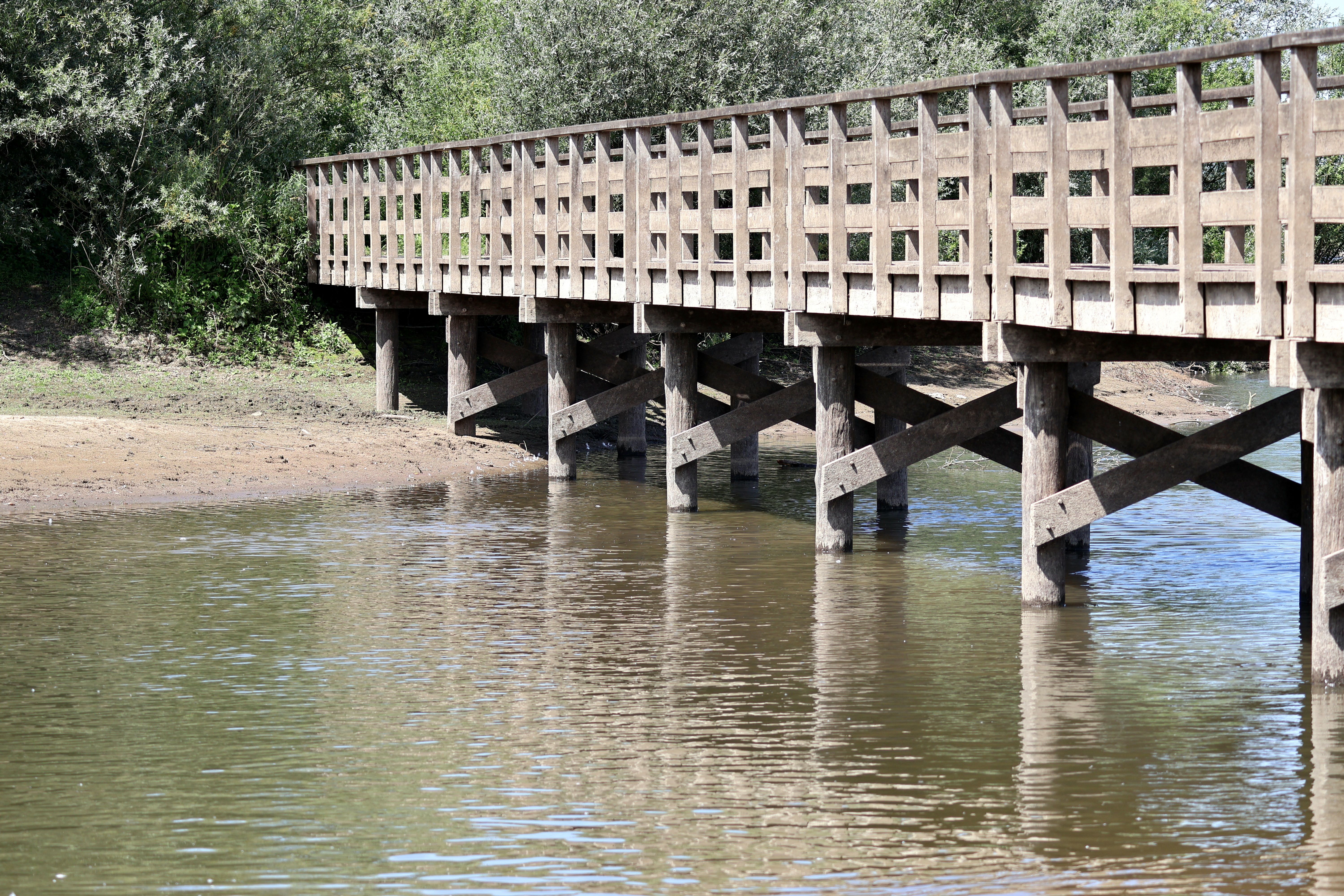
A pedestrian timber bridge builder specializes in designing and constructing wooden bridges intended for foot traffic rather than vehicles. These structures are commonly found in parks, nature reserves, residential communities, resorts, golf courses, and urban greenways where safe and visually appealing pedestrian access is required. Unlike vehicular bridges, pedestrian timber bridge construction focuses more on aesthetics, comfort, accessibility, and integration with natural surroundings while still maintaining strict safety and structural standards.
Pedestrian timber bridges are an essential part of modern landscape design and public infrastructure. They provide safe passage over rivers, wetlands, roads, and uneven terrain while enhancing the visual appeal of the environment. A skilled pedestrian timber bridge builder combines engineering precision with architectural creativity to deliver structures that are both functional and attractive.
Role of a Pedestrian Timber Bridge Builder
The role of a pedestrian timber bridge builder extends beyond simple construction. These professionals are involved in the entire project lifecycle, including design consultation, material selection, engineering coordination, site preparation, construction, and finishing.
They work closely with civil engineers, landscape architects, and project developers to ensure that each bridge meets safety requirements while complementing its surroundings. Builders also ensure compliance with local building codes, environmental regulations, and accessibility standards such as ADA requirements where applicable.
Their work ensures that pedestrian bridges are not only structurally sound but also comfortable and safe for daily use.
Design Considerations for Pedestrian Timber Bridges
Design is a crucial part of pedestrian timber bridge construction. Since these bridges are often located in scenic or recreational areas, aesthetics play a significant role alongside structural performance.
Builders consider factors such as span length, walkway width, railing design, and visual integration with the surrounding environment. Curved designs, arched structures, and covered bridge styles are often used to enhance visual appeal.
Safety is equally important in design, including non-slip surfaces, proper railing height, and structural stability to support varying pedestrian loads.
Materials Used in Pedestrian Timber Bridge Construction
Material selection is essential for ensuring durability and performance. Common materials used by pedestrian timber bridge builders include pressure-treated wood, engineered timber such as glulam beams, and cross-laminated timber panels.
These materials are chosen for their strength, resistance to environmental conditions, and ability to maintain structural integrity over time. Timber is often treated to resist moisture, insects, and decay, which is especially important in outdoor environments exposed to weather changes.
Metal fasteners, bolts, and sometimes concrete foundations are used to reinforce the structure and ensure long-term stability.
Construction Process of Pedestrian Timber Bridges
The construction process begins with site evaluation and preparation. Pedestrian timber bridge builders assess terrain conditions, soil stability, and environmental impact before beginning construction.
Once the site is prepared, foundations are installed using concrete abutments or pile systems depending on the site requirements. The timber superstructure is then assembled, often using prefabricated components to improve efficiency and precision.
Decking materials are installed to create a safe walking surface, followed by railings, safety features, and finishing treatments. The final stage includes inspections and load testing to ensure the bridge meets all safety standards.
Safety Standards and Accessibility Requirements
Safety is a top priority in pedestrian timber bridge construction. Builders must ensure that bridges can safely support expected foot traffic while maintaining structural stability under varying environmental conditions.
Non-slip walking surfaces are essential to prevent accidents, especially in wet or icy conditions. Railings must meet height and strength requirements to provide adequate protection for users.
Accessibility is also an important consideration. Many pedestrian timber bridges are designed to accommodate wheelchairs, strollers, and individuals with mobility challenges, ensuring inclusive access for all users.
Environmental Benefits of Timber Bridges
Pedestrian timber bridges are widely valued for their environmental benefits. Wood is a renewable resource, and when responsibly sourced, it offers a significantly lower environmental footprint compared to steel or concrete.
These bridges blend naturally into landscapes, making them ideal for parks, nature reserves, and eco-tourism destinations. Their construction typically causes less environmental disruption, especially when compared to large-scale concrete infrastructure.
Timber bridge builders often prioritize sustainable sourcing and environmentally friendly construction methods to minimize ecological impact.
Maintenance of Pedestrian Timber Bridges
Regular maintenance is essential to ensure the longevity of pedestrian timber bridges. Exposure to weather conditions such as rain, sunlight, and temperature fluctuations can gradually affect timber structures over time.
Maintenance activities may include reapplying protective coatings, replacing worn decking boards, tightening structural connections, and inspecting for signs of decay or damage.
Proper maintenance ensures that bridges remain safe, visually appealing, and structurally sound for many years.
Applications of Pedestrian Timber Bridges
Pedestrian timber bridge builders work on a wide variety of projects across different environments. These bridges are commonly used in public parks, hiking trails, botanical gardens, residential developments, resorts, golf courses, and urban green infrastructure projects.
They are also used to connect walking paths across rivers, streams, and uneven terrain, improving accessibility and mobility within natural and urban landscapes.
Their versatility makes them a popular choice for both public and private developments.
Modern Innovations in Pedestrian Bridge Design
Advancements in engineering and materials have significantly improved pedestrian timber bridge construction. Engineered wood products such as glulam and CLT allow for longer spans and more complex designs.
Digital modeling tools help builders and engineers visualize structural performance before construction begins, improving accuracy and efficiency. Modern protective coatings also extend the lifespan of timber structures while reducing maintenance needs.
These innovations have made timber pedestrian bridges more durable, safe, and visually versatile than ever before.
Choosing a Pedestrian Timber Bridge Builder
Selecting the right builder is essential for project success. Experienced pedestrian timber bridge builders should have strong engineering knowledge, construction expertise, and a proven track record of completed projects.
Clients should evaluate the builder’s ability to handle design coordination, material sourcing, safety compliance, and environmental considerations.
A reliable builder ensures that the final structure meets both functional requirements and aesthetic expectations.
Conclusion
A pedestrian timber bridge builder plays an important role in creating safe, attractive, and environmentally friendly walkways that enhance public and private spaces. Through careful design, quality materials, and precise construction, these professionals deliver bridges that blend functionality with natural beauty.
As demand for sustainable infrastructure continues to grow, pedestrian timber bridges remain a preferred solution for landscapes that prioritize accessibility, aesthetics, and environmental harmony.