
Turning the Page: How Challenges Fuel True Advocacy
May 29, 2026•510 words
The educational journey is often seen as a level playing field, but for millions of children, the classroom feels like a steep uphill climb from day one. When standard teaching methods do not match how a young mind processes information, simply reading a sentence can cause deep frustration. Navigating this disconnect requires a special kind of resilience. It compels one to learn self-advocacy at a time when most kids are just trying to fit in. Ultimately, this transforms a personal challenge into a mission to help others.
The Power of Early Intervention
For many, understanding how their mind works is the first step to reaching their full potential. Raising awareness about dyslexia is not only about spotting reading difficulties; it is about changing the conversation around learning differences. Dyslexia has nothing to do with intelligence, yet without the right resources, a student can feel a strong sense of failure. When we normalize using supports like text-to-speech software, screen readers, and structured literacy tools, we remove the quiet shame associated with needing help. We create a classroom culture where a child's mind is valued for its unique creative problem-solving skills, rather than punished for processing letters differently.
Finding Strength Beyond the Classroom
The coping skills developed while managing a learning difference often become valuable later in life, especially when unexpected physical challenges appear. For athletes who have spent years in competitive, high-impact settings, resilience is a familiar tool. However, facing repeated sports-related injuries introduces a new set of invisible barriers. Access to brain injury recovery support is crucial for dealing with the long-term cognitive and emotional effects of multiple concussions. The experience of looking healthy on the outside while struggling to regain mental clarity on the inside demands patience and a commitment to use specialized cognitive supports to heal.
A Lived Experience That Drives Change
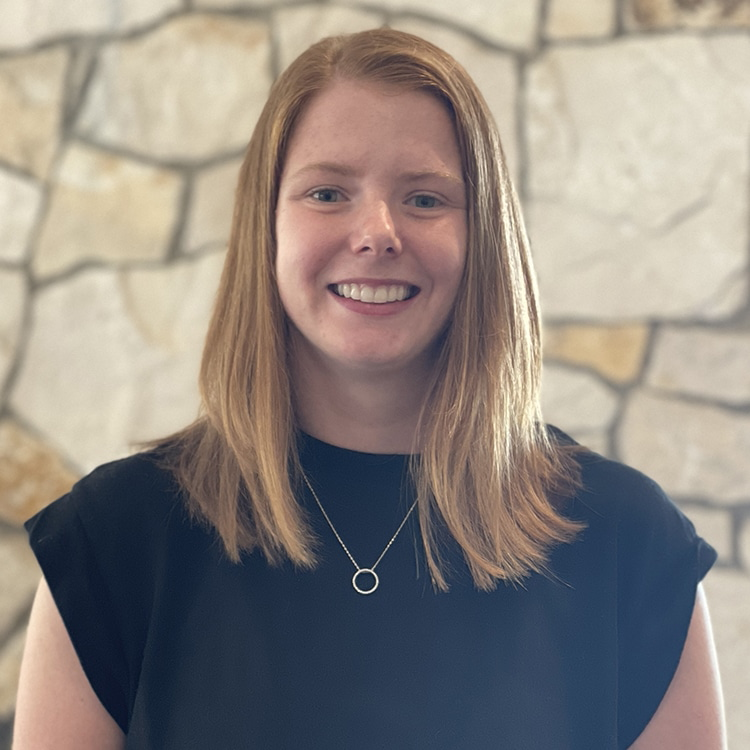
The most authentic advocates are those who have experienced the struggle for accommodation themselves. Jessie Rudin exemplifies this philosophy, having faced a second-grade dyslexia diagnosis and recovered from more than six concussions from her hockey career. Instead of letting these challenges define her, she directed her understanding of vulnerability into a career in special education and universal design. By stepping into schools, workplaces, and community organizations, professionals like Jessie demonstrate that needing tools to bridge a gap is not a sign of weakness; it is a smarter way to navigate a complex world.
Building a Foundation of Universal Access
Ultimately, the aim of turning personal struggles into public service is to ensure that no one has to suffer in silence. When we create lending libraries filled with adaptive equipment and seamlessly integrate assistive technology into daily lives, we build a society where independence is a basic right. Advocacy is about creating spaces where a student can read, an adult can work, and an individual can communicate on their own terms. By focusing on what a person can do with the right tools, we nurture a more compassionate world where every voice is given what it needs to be clearly heard.