
Wednesday, 28 Jan 2026 at 15:37
January 28, 2026•1,045 words
Material Handling Equipment: Optimizing Warehouse Efficiency and Operational Flow
Introduction: The Backbone of Modern Warehousing
Material handling equipment is the unsung hero of modern industrial operations. From warehouses and distribution centers to manufacturing plants and shipping facilities, the movement, storage, control, and protection of materials are central to operational success. Without the right equipment, businesses face inefficiencies, slow workflows, higher labor costs, and an increased risk of accidents. Material handling equipment encompasses a broad spectrum of tools, machines, and systems designed to move goods safely and efficiently throughout the supply chain. By integrating these systems effectively, organizations improve throughput, minimize product damage, and create safer, more productive workplaces.
Understanding the Scope of Material Handling Equipment
The term “material handling equipment” includes everything from simple hand tools like pallet jacks and dollies to sophisticated machines like automated guided vehicles (AGVs), conveyors, and robotic storage systems. Broadly, equipment can be categorized into three groups: manual, semi-automated, and fully automated. Manual equipment includes hand trucks, push carts, and pallet trucks, which require human effort to move goods. Semi-automated systems, like powered pallet jacks, lift trucks, and stackers, reduce human exertion while maintaining operational flexibility. Fully automated equipment, including AS/RS cranes, conveyor systems, and autonomous forklifts, can handle high-volume tasks with minimal human interaction. Selecting the right mix of equipment depends on the warehouse layout, type of goods, turnover rates, and desired level of automation.
Forklifts and Lift Trucks: Core Equipment for Heavy Loads
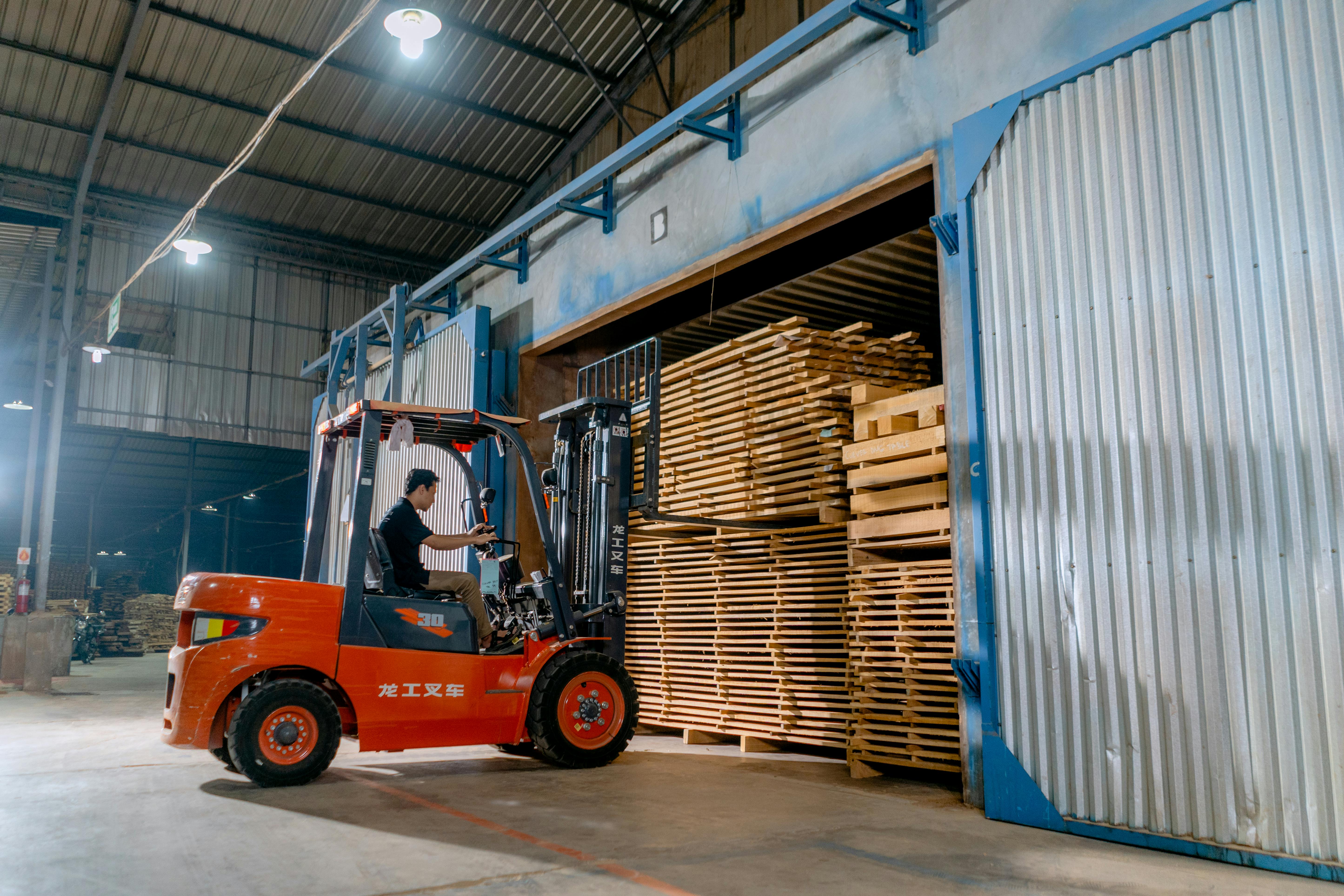
Forklifts are the workhorses of most industrial facilities. They move pallets, crates, and heavy loads efficiently across various floor surfaces. Lift trucks come in multiple types, including electric, diesel, and propane-powered, with variations for reach, capacity, and terrain. Attachments such as clamps, rotators, and multi-pallet handlers expand the versatility of forklifts, allowing them to handle irregular loads without additional equipment. Beyond forklifts, smaller lift solutions such as pallet stackers are used for narrower aisles or lighter goods. Each lift device must be maintained and matched to the operational requirements to ensure both efficiency and safety.
Conveyors: Continuous Movement for High-Volume Operations
Conveyors are a fundamental component of material handling equipment in high-volume warehouses. Belt, roller, and gravity conveyors transport goods along fixed paths, reducing manual lifting and carrying. Automated conveyor systems are particularly valuable in order fulfillment centers and manufacturing facilities where speed, consistency, and continuous movement are critical. Integrating conveyors with picking stations, sorting systems, and packaging areas creates a seamless workflow that minimizes human touchpoints and accelerates processing times. When paired with sensors and warehouse management systems, conveyors can route items automatically, detect jams, and maintain consistent throughput throughout shifts.
Automated and Robotic Handling Systems
Automation is reshaping material handling equipment in warehouses worldwide. Automated guided vehicles (AGVs), robotic palletizers, and automated storage and retrieval systems (AS/RS) allow goods to move from receiving to storage to shipping with minimal human intervention. These systems reduce labor-intensive tasks, increase operational accuracy, and enable round-the-clock operation. For example, AGVs can transport pallets or bins along programmed routes, avoiding collisions through sensor-based navigation. Robotic palletizers handle repetitive stacking and depalletizing tasks, improving ergonomics and productivity. AS/RS systems utilize vertical storage and robotic shuttles to maximize space utilization and minimize picking errors, particularly in e-commerce and high SKU-count environments.
Safety and Ergonomics in Material Handling Equipment
Using the right equipment is not only about efficiency—it is about safety. Material handling tasks inherently involve risks of strain, collisions, and accidents. Ergonomic design in equipment such as powered stackers, lift tables, and conveyors reduces repetitive stress injuries by minimizing bending, lifting, and twisting. Operator training programs ensure that workers understand proper load handling, machine operation, and emergency protocols. Safety features such as sensors, automatic stops, alarms, and guardrails further protect employees from potential hazards. Facilities that emphasize ergonomics and safety enjoy higher employee satisfaction, lower injury rates, and reduced compensation claims, all contributing to sustainable operations.
Planning and Layout Considerations
The effectiveness of material handling equipment is heavily influenced by warehouse layout and storage design. Equipment selection should align with aisle widths, ceiling heights, shelving configurations, and traffic flow patterns. Narrow-aisle forklifts, for instance, are ideal for high-density racks where standard trucks cannot maneuver safely. Conveyor paths must be mapped to avoid bottlenecks, ensure accessibility, and accommodate peak load periods. For automated systems, software integration with warehouse management systems is critical to coordinate routes, optimize pick paths, and monitor performance metrics. Thoughtful planning ensures that equipment complements operational processes rather than introducing inefficiencies or hazards.
Maintenance and Lifecycle Management
Maintaining material handling equipment is essential to prevent downtime and costly repairs. Regular inspections, lubrication, battery care for electric equipment, and component replacements extend machine life and ensure consistent performance. Predictive maintenance, using sensors and performance analytics, allows facilities to address potential issues before failures occur, minimizing interruptions. A strong maintenance program also improves safety by ensuring that all equipment functions as intended and that operators can rely on machines without unexpected hazards. Lifecycle management considers acquisition costs, operational efficiency, and end-of-life replacement planning, enabling facilities to maximize the value of their equipment investments.
Financial and Operational Benefits of Proper Material Handling
Investing in the right material handling equipment can produce significant cost savings. Reducing manual labor, minimizing product damage, and increasing throughput all contribute to operational efficiency. Facilities can scale operations without necessarily expanding physical space by utilizing vertical storage, conveyors, or automated systems. Equipment versatility allows warehouses to handle a broader range of goods with fewer machines, while preventive maintenance ensures that each investment continues to deliver consistent returns over time. In a competitive logistics landscape, effective material handling becomes a differentiator, supporting faster deliveries, reduced operational costs, and better service to customers.
Conclusion: Integrating Equipment for Operational Excellence
Material handling equipment is not just machinery—it is the operational foundation for modern warehouses. From forklifts and stackers to conveyors and robotic systems, the right equipment improves efficiency, safety, and reliability. Facilities that thoughtfully select, maintain, and integrate equipment into their workflows can achieve higher throughput, lower costs, and more scalable operations. By viewing material handling equipment as part of a broader strategy rather than isolated tools, warehouses can create a cohesive, productive environment that meets the demands of today’s fast-paced supply chain while preparing for future growth.