
Wood Flooring Cost: Understanding Pricing, Materials, and Installation Expenses
May 29, 2026•800 words
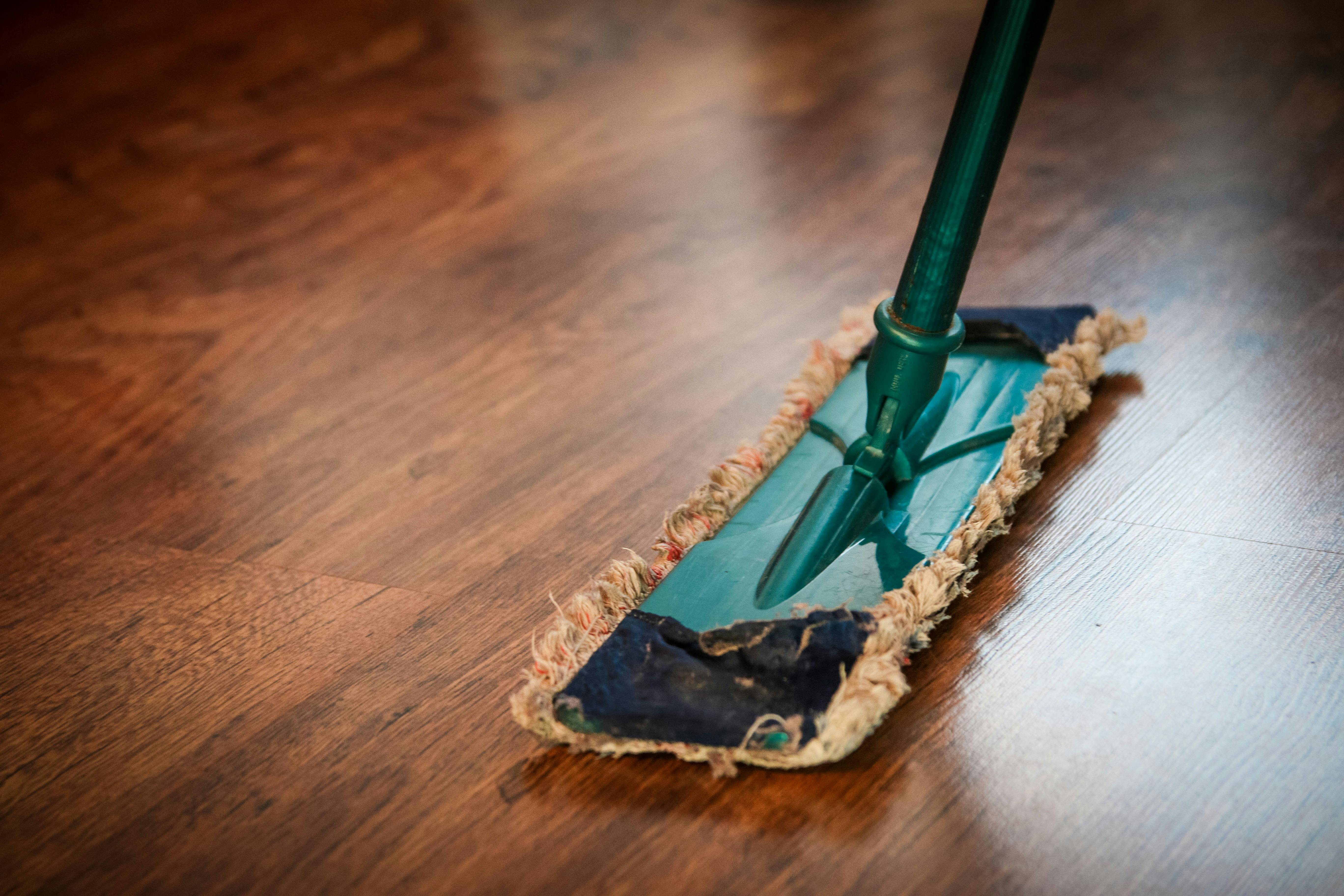
Overview of Wood Flooring Costs
Wood flooring cost is one of the most important considerations for homeowners planning a renovation or new installation. The total cost of wood flooring depends on several factors, including material type, installation method, labor charges, room size, and finishing options. Because wood flooring is a long-term investment, understanding pricing helps homeowners make informed decisions that balance budget and quality.
Wood flooring remains popular due to its durability, timeless appearance, and ability to increase property value. However, costs can vary significantly depending on whether the homeowner chooses solid hardwood, engineered wood, or premium specialty materials.
Types of Wood Flooring and Their Costs
Different types of wood flooring come with different price ranges. Solid hardwood flooring is typically the most expensive option because it is made from a single piece of natural wood and can last for decades when properly maintained.
Engineered wood flooring cost is generally more affordable and consists of a real wood veneer layered over a stable core. It provides a similar appearance to solid hardwood but at a lower price point and with improved resistance to moisture changes.
Laminate flooring, while not true wood, is often included in cost comparisons because it mimics the appearance of wood at a much lower price.
Material Quality and Price Differences
Wood flooring cost is heavily influenced by the type of wood species used. Common hardwoods such as oak and maple tend to be more affordable, while exotic woods like walnut or cherry are more expensive due to their appearance and rarity.
Grade quality also affects pricing. Higher-grade wood has fewer imperfections and more uniform appearance, which increases cost. Lower-grade wood may include more knots and natural variations, which can reduce price but still provide strong durability.
Finish type also contributes to cost differences, especially when prefinished or custom-stained options are selected.
Installation Costs and Labor Factors
Installation is a major component of overall wood flooring cost. Professional installation ensures proper fitting, alignment, and long-term durability, but it adds to the total expense.
Labor costs vary depending on location, complexity of the project, and preparation required for the subfloor. Rooms with irregular shapes, stairs, or difficult layouts typically require more time and increase installation costs.
Additional preparation work such as leveling the subfloor or removing old flooring can also impact the final price.
Room Size and Project Scope
The size of the area being covered is one of the most direct factors affecting wood flooring cost. Larger spaces require more materials and more labor, increasing total expenses.
Smaller rooms may have higher cost per square foot due to minimum labor charges or material waste during cutting and installation.
Whole-home flooring projects may receive better pricing per square foot compared to single-room installations due to scale.
Additional Cost Factors
Several additional factors influence wood flooring cost beyond materials and installation. These may include removal of existing flooring, furniture moving, baseboard replacement, and special finishing treatments.
Staining, sealing, or custom finishes can also increase total project cost depending on design preferences.
Underlayment materials, adhesives, and moisture barriers may be required depending on the flooring type and subfloor condition.
Long-Term Value of Wood Flooring
Although wood flooring cost can be higher upfront compared to other flooring options, it provides strong long-term value. Hardwood floors can last for decades and may be refinished multiple times, reducing the need for replacement.
Wood flooring also increases property appeal and can improve resale value, making it a worthwhile investment for many homeowners.
Durability and timeless design contribute to its long-term cost efficiency.
Budgeting for Wood Flooring Projects
Proper budgeting is essential before starting a wood flooring project. Homeowners should consider both material and labor costs while also accounting for unexpected expenses such as repairs or subfloor preparation.
Getting multiple estimates from flooring contractors helps ensure competitive pricing and a clear understanding of project scope.
Planning ahead allows homeowners to choose the best flooring option within their budget without sacrificing quality.
Professional Installation vs DIY Costs
While DIY installation may reduce labor expenses, it requires skill, tools, and time. Mistakes during installation can lead to costly repairs or reduced flooring lifespan.
Professional installation increases upfront wood flooring cost but ensures higher quality results and long-term durability.
Most homeowners choose professional installation for better performance and warranty protection.
Conclusion
Understanding wood flooring cost helps homeowners make informed decisions when planning renovation or construction projects. Costs vary based on material type, wood species, installation complexity, and additional preparation work.
While wood flooring may require a higher initial investment, its durability, aesthetic appeal, and long-term value make it one of the most worthwhile flooring choices for residential properties. With proper planning and professional installation, homeowners can achieve beautiful, long-lasting floors that enhance both comfort and property value.